HelloClient - CRM system for service centers

CRM for Service Industry: How to Optimize Customer Relationship Management

In today's world, the service business is experiencing unprecedented growth, which creates intense market competition. Customers increasingly choose companies that can offer them not only quality products or services, but also personalized approach, convenient service, and transparent communication.

This is why CRM for service industry has become a relevant solution, allowing businesses to systematize customer interactions and improve internal processes.

Table of Contents

  • 1. Main challenges in service industry
  • 2. How CRM helps solve these challenges
  • 3. How to optimize customer management in CRM
  • 4. Conclusion

Main Challenges in Service Industry

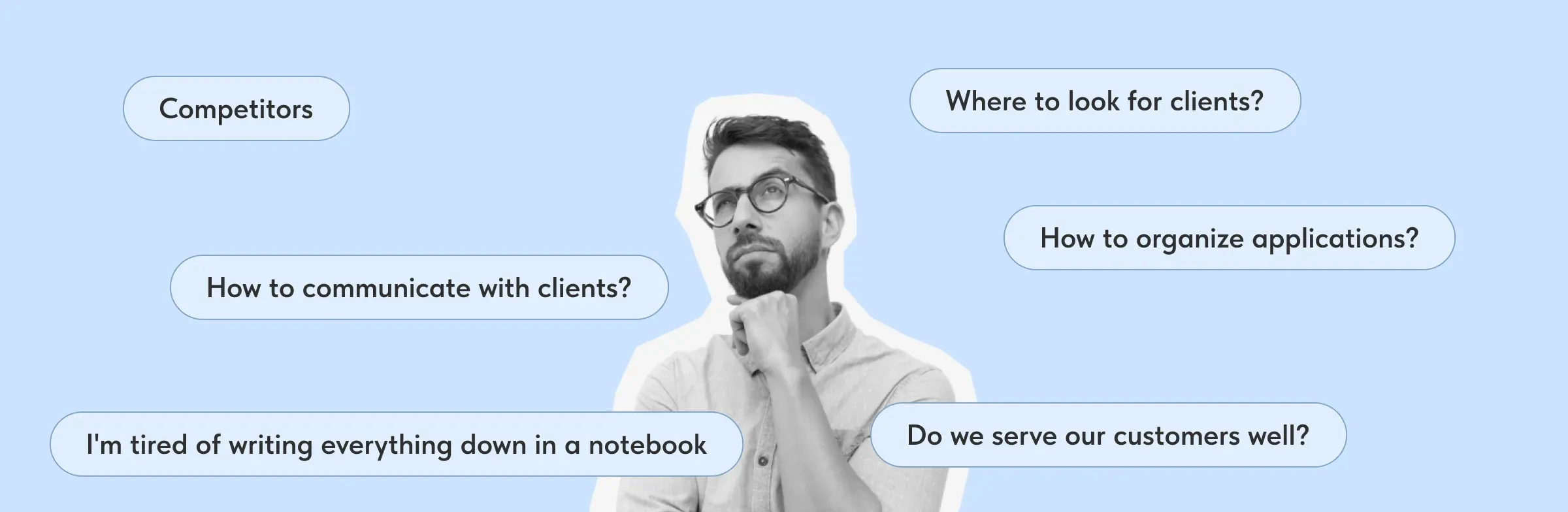
Main challenges in service industry include high competition, lack of customer database, managing high volume of orders, absence of service quality control. CRM will not only eliminate these problems but elevate business processes to a new level

High Competition

As the market grows, dozens and hundreds of competing companies emerge. Businesses need to stand out by offering customers unique value. Without proper analytics tools and data structure, it's difficult to understand which measures will help become a leader in your niche.

Importance of Personalization

Customers want to feel that they are treated as individuals: their needs, preferences, and contact history are known. Lack of accurate data about previous purchases or orders reduces loyalty and increases the risk of switching to competitors.

Difficulty Managing High Volume of Requests

Service businesses can have multiple communication channels: phone, email, website, social media, and messengers. Manual control of all requests often leads to confusion and lost potential customers.

Need for Service Quality Control

The service industry is directly related to company reputation. Just one negative situation left unattended can affect sales levels and brand image. Without specialized tools, monitoring reviews and customer feedback becomes more challenging.

How CRM Helps Solve These Challenges

CRM for service business is a universal tool that unites all processes and communications within a single platform. Let's examine the benefits it provides:

Data Centralization

All contacts, purchase and negotiation history, financial calculations – all in a single system. Managers and executives see the complete picture for each customer, which helps plan future interactions and build long-term relationships.

Personalized Approach

CRM stores important customer information: preferences, order history, past support requests. Thanks to this, managers can easily create personalized offers, which increases loyalty and improves conversion rates.

Automation of Routine Tasks

Notifications, reminders, automated mailings – all this saves employee time and speeds up work. When the system monitors deadlines and key service stages, the risk of forgetting an important call or meeting is minimized.

Analytics and Reports

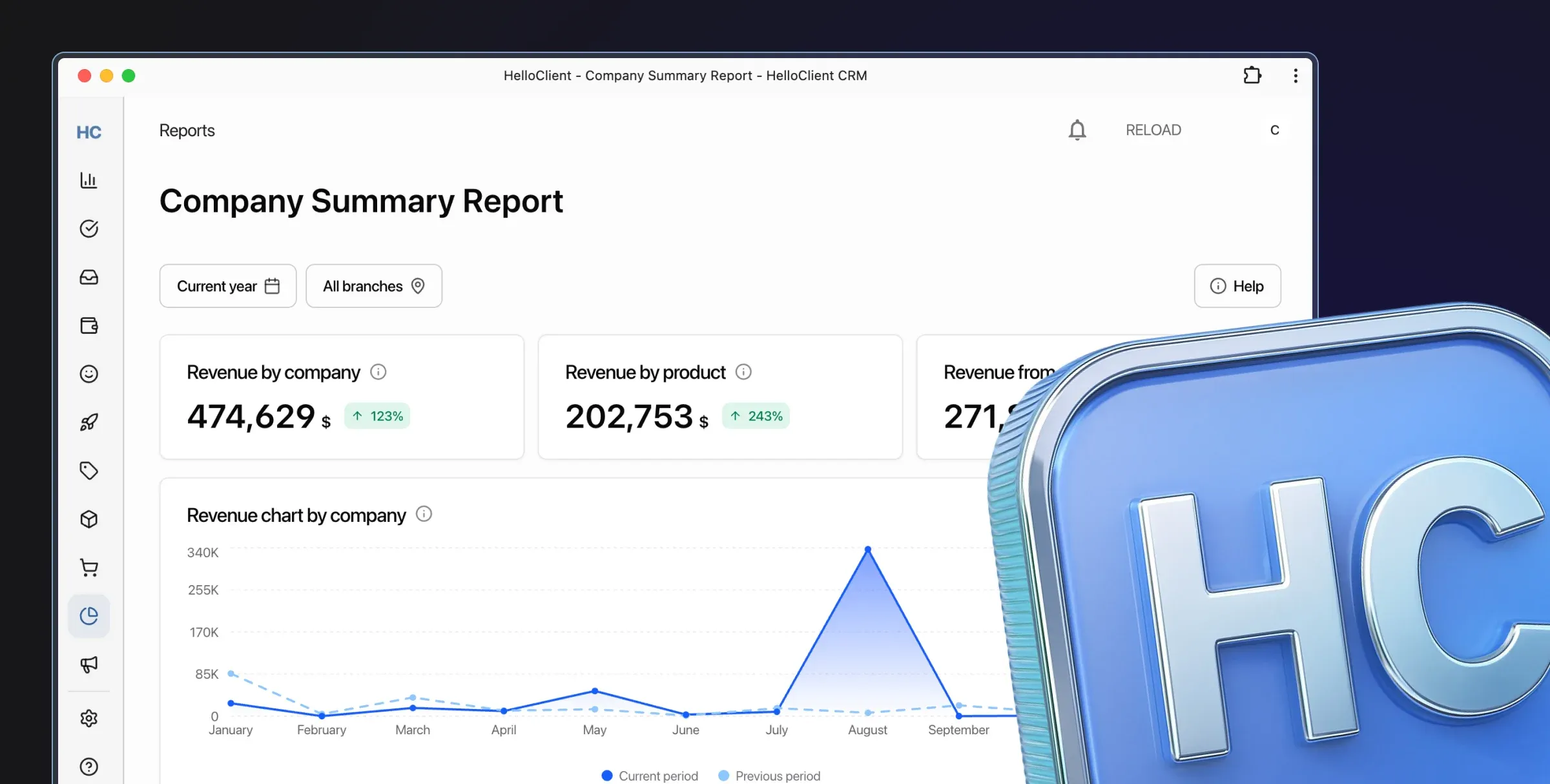
With built-in tools, it's easy to track customer activity, evaluate sales funnel and marketing campaign effectiveness. Managers get the opportunity to quickly adjust strategy, based on concrete numbers rather than guesses.

How to Optimize Customer Management in CRM

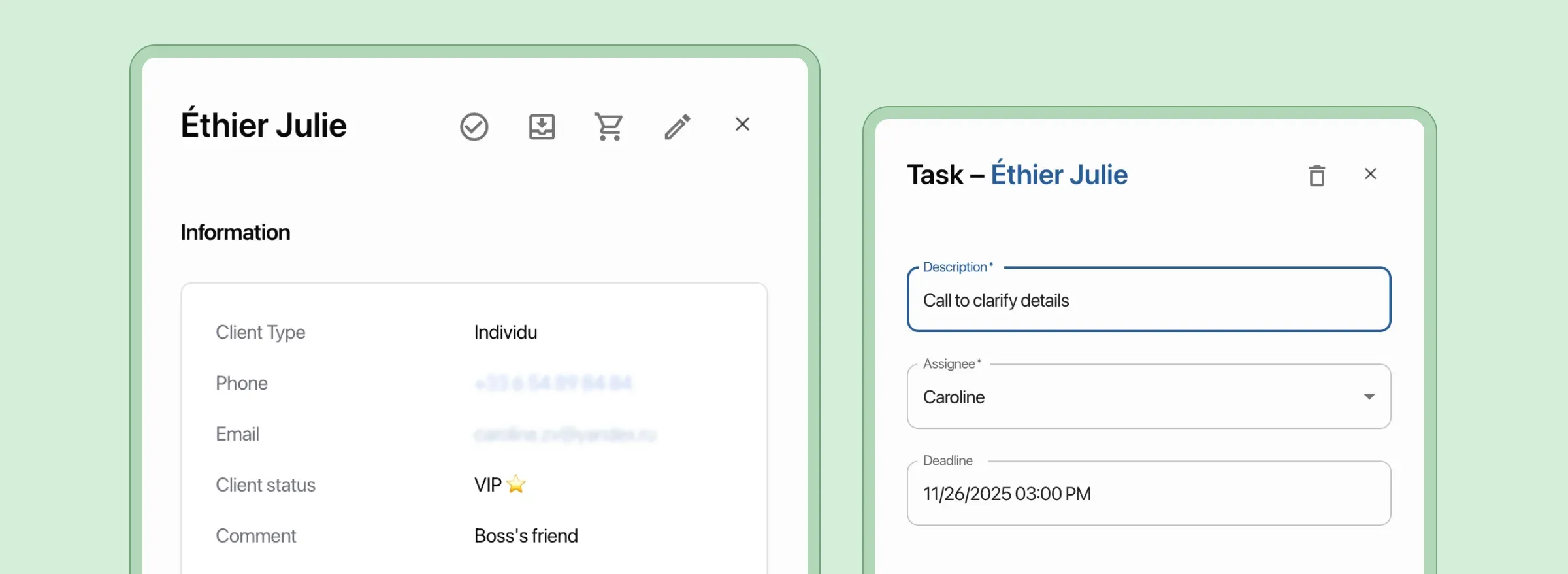
Store all customer information in CRM: phone number, customer status, frequency of contact, birthday and any information important for your service. Assign tasks with customer reference so staff won't forget to contact them and clarify details.

Developing Service Standards

Implement clear communication scenarios with customers at each stage: from first contact to post-sale support. Employees will be able to follow unified procedures, maintaining service quality.

Customer Base Segmentation

Divide customers into categories (contact frequency, order value, type of service provided). This way you can create more accurate and relevant offers, and also understand which segments deserve more marketing attention.

Using Reminders and Tasks

Assign tasks to employees directly in the system, link them to specific customers or projects. This will help avoid missing important deadlines and increase team accountability.

Collecting and Analyzing Feedback

Implement the ability to quickly collect customer feedback through messengers, social media, or email. Analyzing feedback in CRM will reveal weak points and help respond promptly to complaints.

Conclusion

In conditions of intense competition and increased service requirements, businesses in the service industry must prioritize quality customer relationship management. CRM for service industry solves a wide range of tasks: systematizes communications, helps build personalized offers, provides operational quality control, and delivers accurate data for management decisions. This is why implementing CRM for service business is a crucial step toward stable growth and maintaining competitive advantages in the market.

The HelloClient CRM system is perfectly suited for service business, as it combines user-friendly interface, flexible customization for specific tasks, and a comprehensive set of tools for managing orders and customer database.

To learn about all the capabilities and advantages of this platform, you can read the full review of HelloClient CRM system.

HelloClient CRM System is Perfect for Small Business

Intuitive interface allows employees to quickly master simple processes like customer management, order tracking, inventory management, and report generation in CRM

Success ✨ starts with HelloClient 💙 Launch HelloClient CRM right now and get 14 days of free testing

Start for Free

Still have questions? We're here to help:
Contact us on What's App What's App support

If everything is clear — join us! Register now and start managing your business for free