For a sales analytics CRM to be maximally useful, it's essential to properly configure data collection. Below are the key metrics that help form strategic insights:
Inquiry Types and Frequency
If you provide service or support, it's important to track which devices or issues customers contact you about most frequently. This information helps identify which areas require additional attention, improvement, or staff training.
Inquiry Sources
Analyze where your potential customers come from: social media ads, contextual advertising, internet search, or offline channels. This helps evaluate the effectiveness of different marketing tools and properly allocate budget.
Inventory Turnover Rate
Track which products or materials are running out fastest, and which are sitting in the warehouse. Such data allows timely adjustment of purchases and prevents situations where popular items suddenly become out of stock.
Seasonality of Inquiries
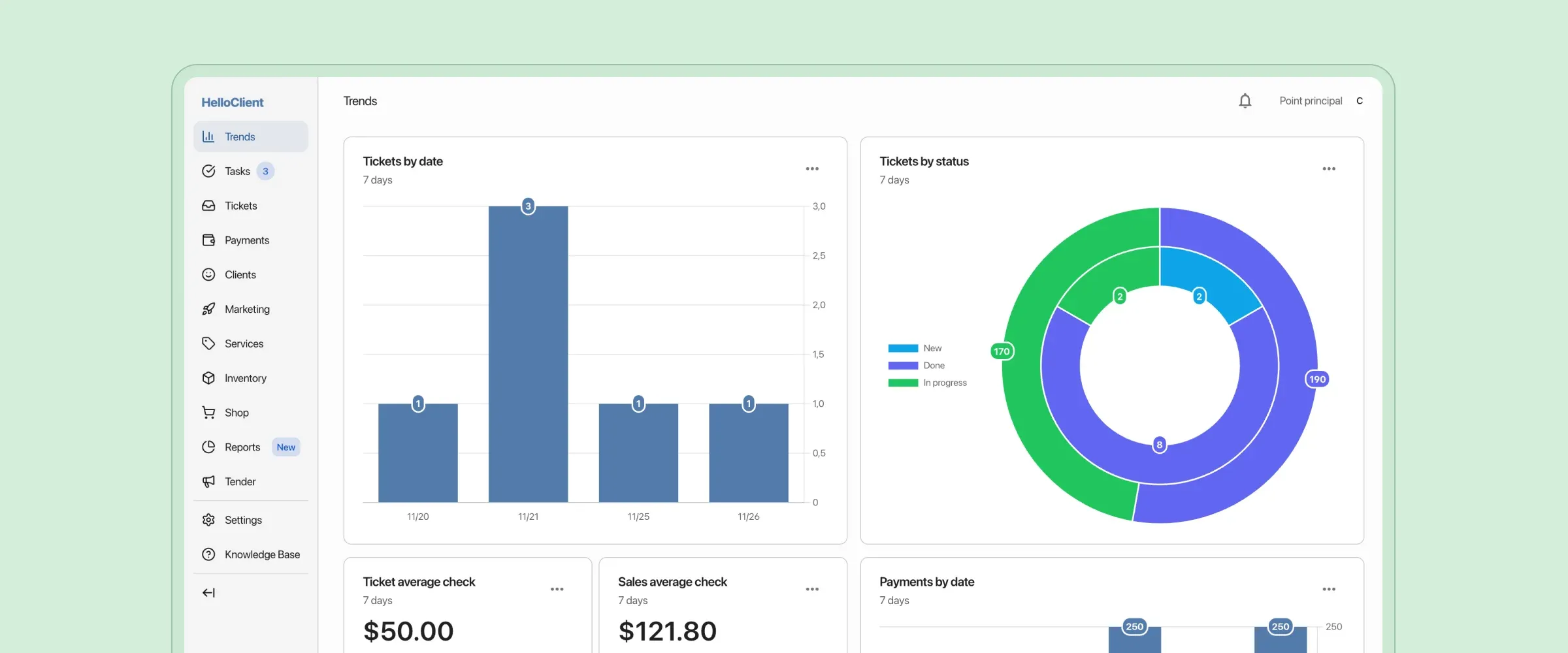
In many industries, demand fluctuates significantly during different periods of the year. A CRM system can collect statistics about peak and low seasons, which helps better plan production, marketing activities, and manage inventory levels.
Average Order Value and Purchase History
Information about transaction amounts and how often customers make purchases helps identify the most promising audience segments and create special offers for them.
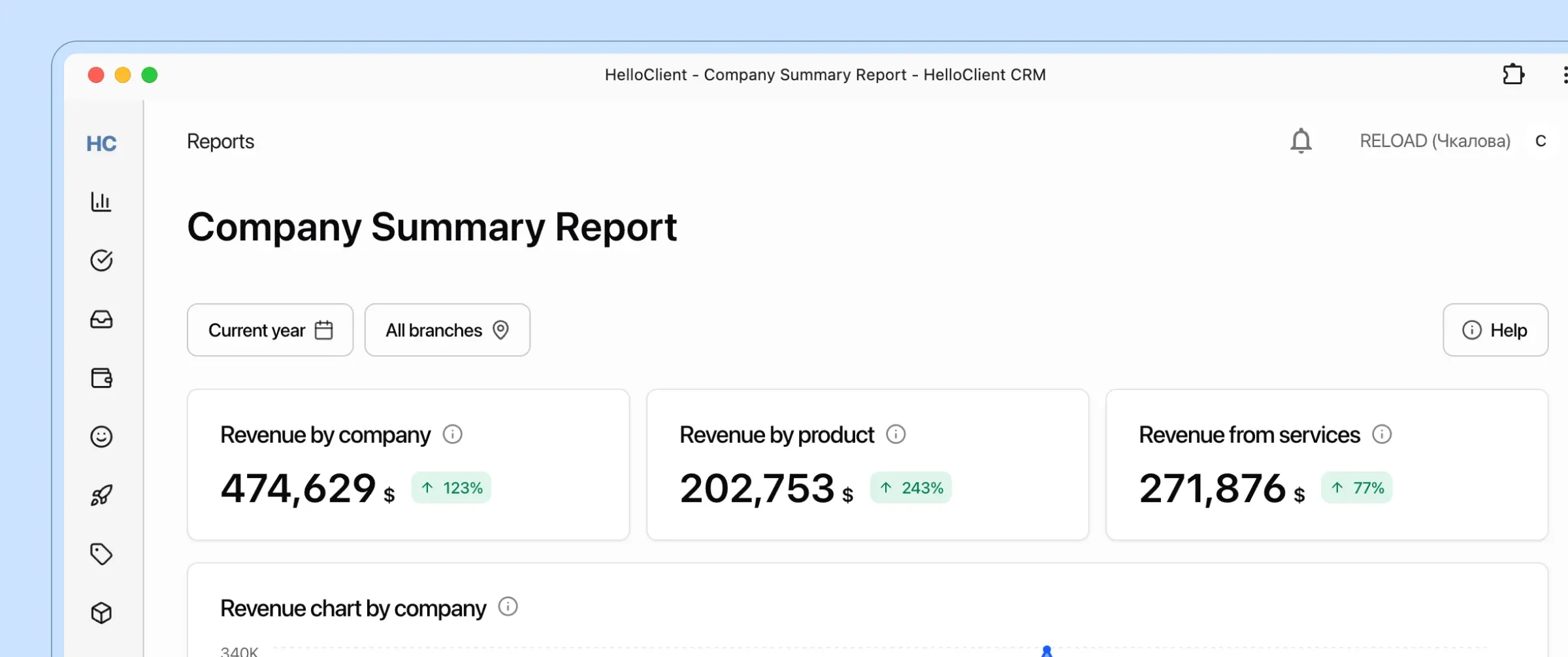
The collected metrics provide a comprehensive understanding of what's happening in the company: which products and services are in demand, how the demand pattern changes over time, and through which channels customers discover you.