Lead and Customer Database Management
In small business, every lead is worth its weight in gold. However, without automation, companies risk losing potential customers by forgetting to respond to inquiries promptly or clarify order details. Thanks to CRM and task planning, managers receive instant notifications about incoming leads and maintain all information in one place. This ensures no important details are missed, and customers receive responses as quickly as possible.
Deal and Order Status Tracking
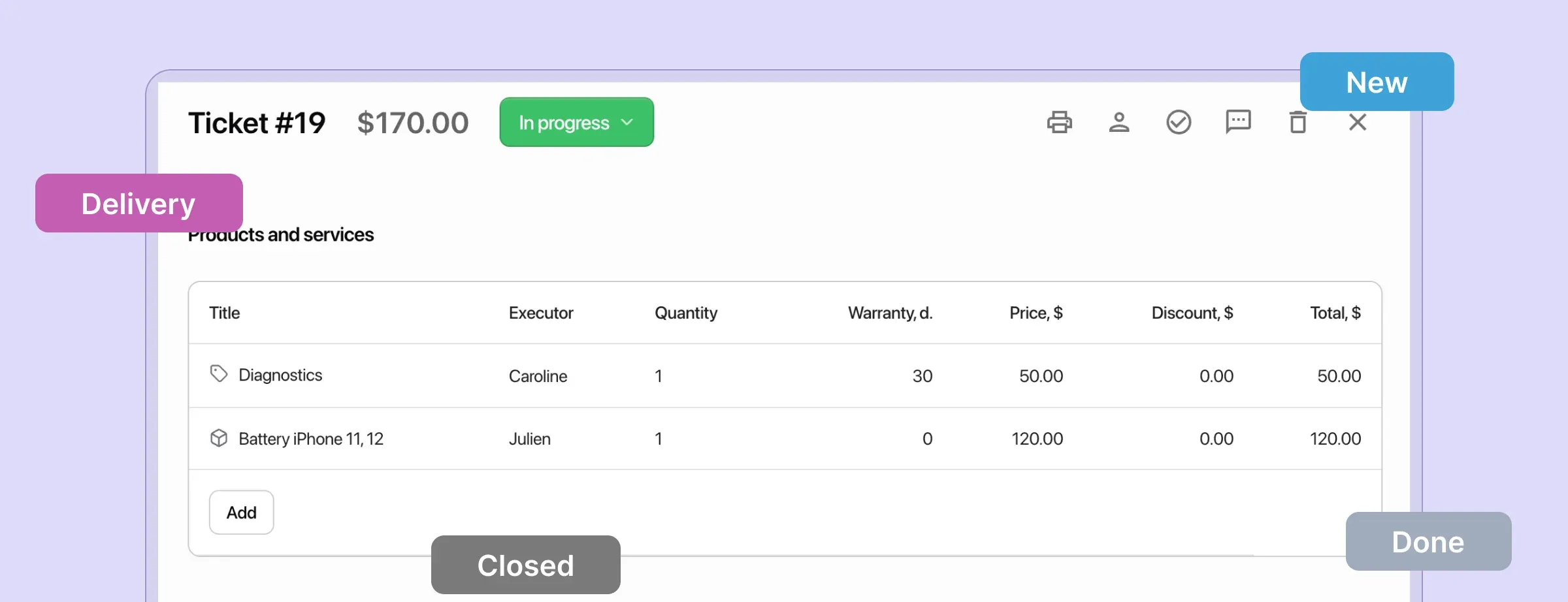
Different projects and customers are at various stages: from initial inquiry to contract signing or service completion. Small business CRM tools allow you to set up sales pipelines, track progress, and remind employees about next steps in a timely manner. This eliminates chaotic file and spreadsheet sharing, keeping the entire team informed about each project's status.
Automation of Routine Tasks
Email campaigns, call reminders, report generation - all these tasks can be delegated to the system, saving employees' valuable time. Automatic generation of sales reports or financial performance metrics allows managers to quickly analyze the situation and make decisions without spending hours manually compiling data.
Collaboration and Communication Organization
Small companies often lack separate departments for each business area. Therefore, it's crucial that employees can quickly exchange information. A CRM system with integrations to messengers and email services helps maintain communication while recording all agreements in customer or order records.
Analytics and Quality Control
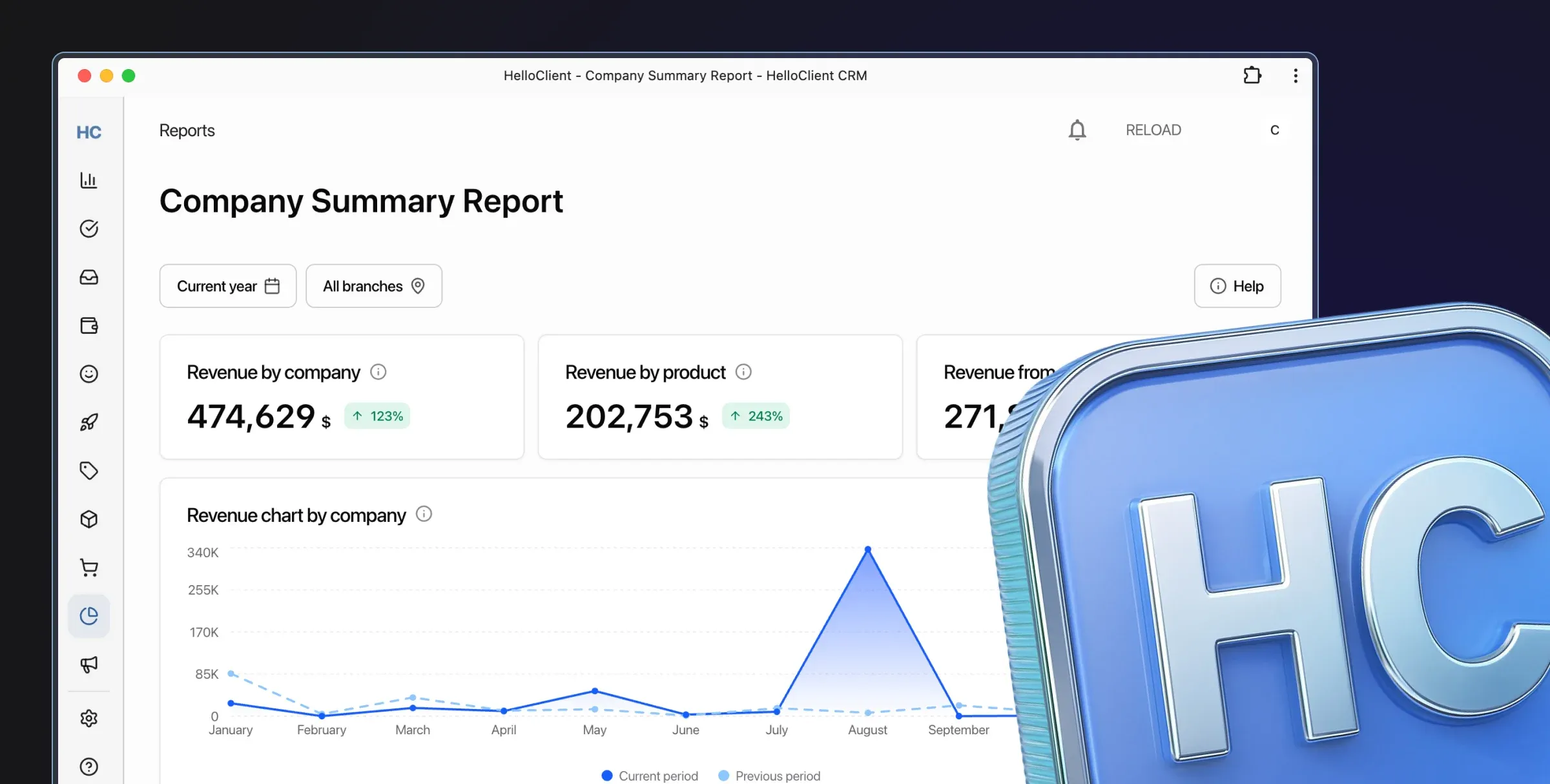
The key to growth is constant analysis of current results. CRM allows you to collect statistics on conversion rates, average purchase value, and response times to inquiries. Based on this data, you can identify your business's strengths and weaknesses and adjust processes to enhance competitiveness.